

Iron Shield introduces INT-6, a radar-linked interceptor that flies the intercept itself
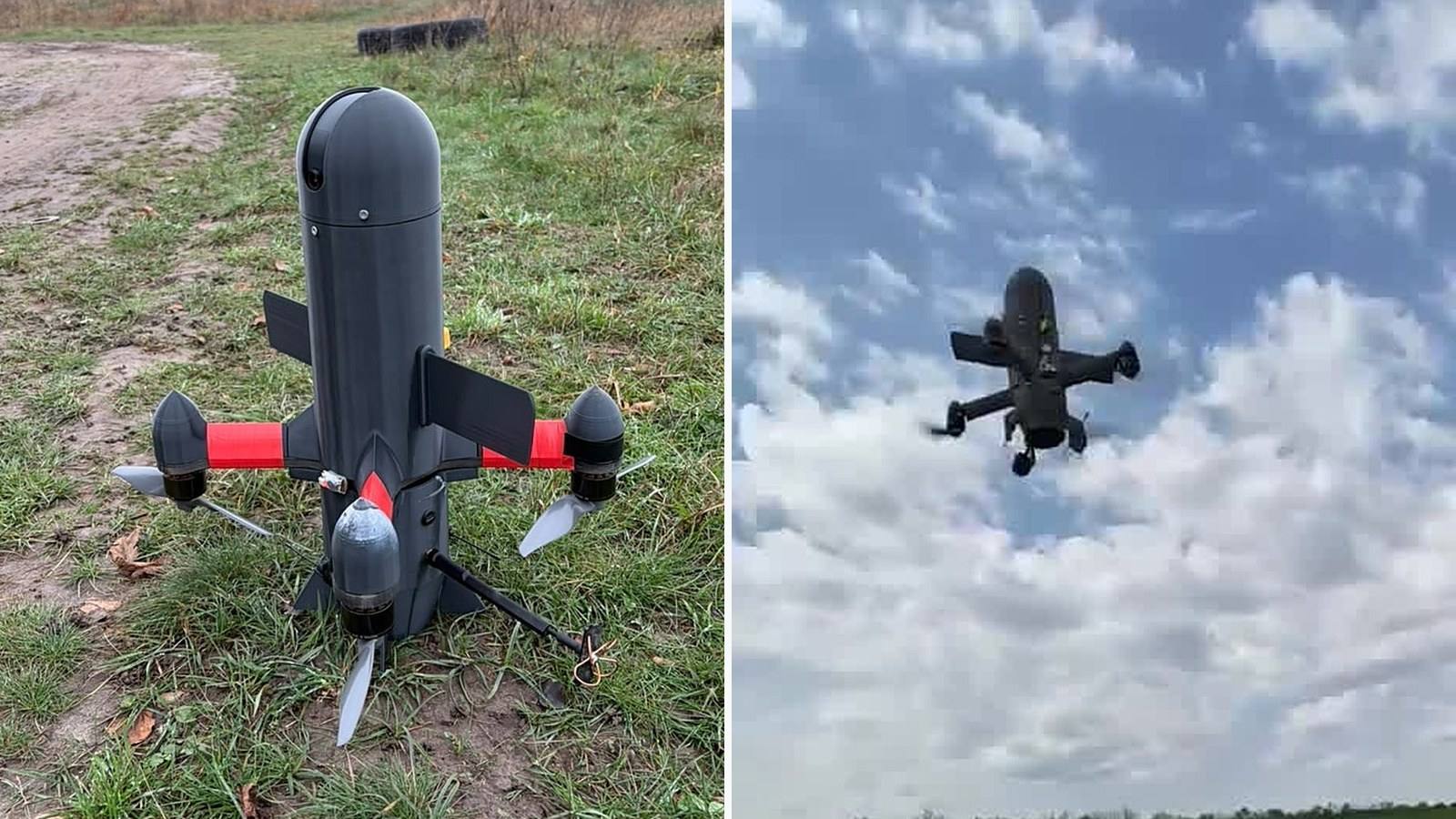
INT-6, the next generation of the Iron Shield interceptor line, takes the target track from the customer’s 3D radar and command and control and flies the intercept autonomously at up to 450 km/h, with a qualified operator authorizing every engagement.
Iron Shield Systems has introduced INT-6, the next generation of its IS-INT interceptor line and Iron Shield’s own design. Built on INT-5, the base of the line, INT-6 adds radar and command and control integration, day and thermal sensors and electric vertical take-off, so one operator can command several radar-fed intercepts instead of flying each sortie by hand.
Detection comes from the customer’s own 3D radar. Command and control assigns the track to an INT-6 and streams the target telemetry to it over the secure data link. A qualified operator authorizes the engagement at the ground control station, and INT-6 lifts off vertically with no launcher or rail and flies the intercept on its own, correcting as the track moves. Onboard thermal auto-lock holds the target through the terminal phase, day or night. The operator can take manual control or abort at any stage.
Declared data, current build
- Maximum speed up to 450 km/h, cruise speed 250 km/h
- Secure control link up to 15 km
- Service ceiling up to 6000 m; flight time up to 18 min
- Maximum take-off weight 3.4 kg; electric vertical take-off, no launcher or rail
- 4K day camera at 120 fps and 640 × 512 thermal camera at 60 fps, with onboard thermal auto-lock
- GPS and GLONASS as standard, NavIC can be fitted; built to fly on when satellite navigation is denied
- Up to four engagements from one ground control station, after calibration
- Radar and C2 integration through C++ and Python interfaces
INT-6 is intended for customers who operate, or plan to operate, a 3D air-defense radar and a command and control network, for layered protection of deployed forces, fixed sites and critical infrastructure where several threats may arrive within minutes and one ground station must run more than one engagement.
INT-6 joins INT-5 and INT-3, which remain available to order. Figures are declared data for the current build, subject to configuration and test-condition validation. Radar and C2 integration is configured and calibrated for each customer network. Supply, configuration and export are subject to export-control and end-use authorizations. Full details are on the INT-6 page, and briefings are available on request through the contact page.